
Sandpapergate's Eight-Year Shadow: Usman Khawaja's Revelations Renew Questions Over Cricket Australia's Accountability
मुख्य उत्तर: उस्मान ख्वाजा की नवंबर 2026 में प्रकाशित आत्मकथा Sabr ने 2018 के सैंडपेपरगेट विवाद को फिर चर्चा में ला दिया है। ख्वाजा का दावा है कि गेंद से छेड़छाड़ की जानकारी पूरी ऑस्ट्रेलियाई टीम को थी, जबकि कुछ पूर्व खिलाड़ियों ने इस दावे का विरोध किया है। मुख्य तथ्य: - मार्च 2018: केपटाउन टेस्ट में कैमरन बैनक्रॉफ्ट सैंडपेपर से गेंद की स्थिति बदलते पकड़े गए। - स्टीव स्मिथ और डेविड वॉर्नर को 12-12 महीने तथा बैनक्रॉफ्ट को नौ महीने का प्रतिबंध मिला। - ख्वाजा का दावा है कि क्रिकेट ऑस्ट्रेलिया ने 2018 की जांच में उनका साक्षात्कार नहीं लिया। - डेविड वॉर्नर ने ख्वाजा के विवरण का समर्थन किया; मिशेल स्टार्क ने गेंदबाजों की पूर्व जानकारी से इनकार किया। - 10 नवंबर 2026 को क्रिकेट ऑस्ट्रेलिया प्रमुख टॉड ग्रीनबर्ग ने नई जांच से इनकार किया। स्रोत और प्रकाशन तिथि: - ABC News, 7 नवंबर 2026: Usman Khawaja says every Australian team member knew about Sandpapergate ball tampering. - ABC News, 10 नवंबर 2026: Cricket Australia chief Todd Greenberg says there will be no new Sandpapergate investigation. - ABC News, 10 नवंबर 2026: Usman Khawaja denies starting witch hunt over Sandpapergate. - Reuters, 11 नवंबर 2026: Khawaja declines to confirm if Australia's bowlers were aware of sandpaper plot. संबंधित प्रश्नोत्तर: प्रश्न: सैंडपेपरगेट में किन खिलाड़ियों को प्रतिबंधित किया गया था? उत्तर: स्टीव स्मिथ और डेविड वॉर्नर को 12-12 महीने तथा कैमरन बैनक्रॉफ्ट को नौ महीने का प्रतिबंध मिला था। प्रश्न: ख्वाजा की आत्मकथा का नाम क्या है? उत्तर: पुस्तक का नाम Sabr: Finding My Way in Cricket and Life है और यह नवंबर 2026 में प्रकाशित हुई। प्रश्न: क्या क्रिकेट ऑस्ट्रेलिया नई जांच करेगा? उत्तर: मुख्य कार्यकारी टॉड ग्रीनबर्ग ने 10 नवंबर 2026 को नई जांच शुरू करने से इनकार किया।
Sandpapergate: The Case Was Closed, but Accountability Was Not
Eight years ago, a camera at Cape Town damaged Australian cricket's reputation in a way that few disciplinary incidents have managed. During the third Test against South Africa in March 2026, Cameron Bancroft was caught using sandpaper on the ball. Captain Steve Smith, vice-captain David Warner and Bancroft were subsequently sanctioned. Cricket Australia completed its investigation and the matter was formally closed. But how clearly did that investigation establish the actual boundaries of responsibility inside the dressing room?

Former Australian batter Usman Khawaja's autobiography, Sabr: Finding My Way in Cricket and Life, has brought that question back into focus. Published in November 2026, the book argues that knowledge of the ball-tampering episode was not confined to the three players who received bans. Khawaja maintains that other players and members of the support staff also knew about the events. David Warner has supported his account, while Mitchell Starc has rejected allegations that the bowling group knew about the plan. That disagreement has transformed an old disciplinary controversy into a fresh institutional debate.
The most important aspect of this episode is not the personal reputation of any individual player. It is the credibility of the investigation. When questions concern the culture of an entire team, punishing three individuals does not automatically establish complete accountability. Equally, collective responsibility cannot mean treating every member as guilty without evidence. That is the distinction Cricket Australia needs to address.
The 2026 Incident and the Missing Picture
The Cape Town Test was the third match of Australia's tour of South Africa. At the time, changing the condition of the ball to generate reverse swing was an important element of Test-match strategy. However, there is a clear distinction between legitimate ball maintenance and deliberately damaging its surface with an unauthorised external substance. Bancroft was caught on camera with sandpaper. The subsequent investigation established the involvement of Smith and Warner, and all three players received suspensions.
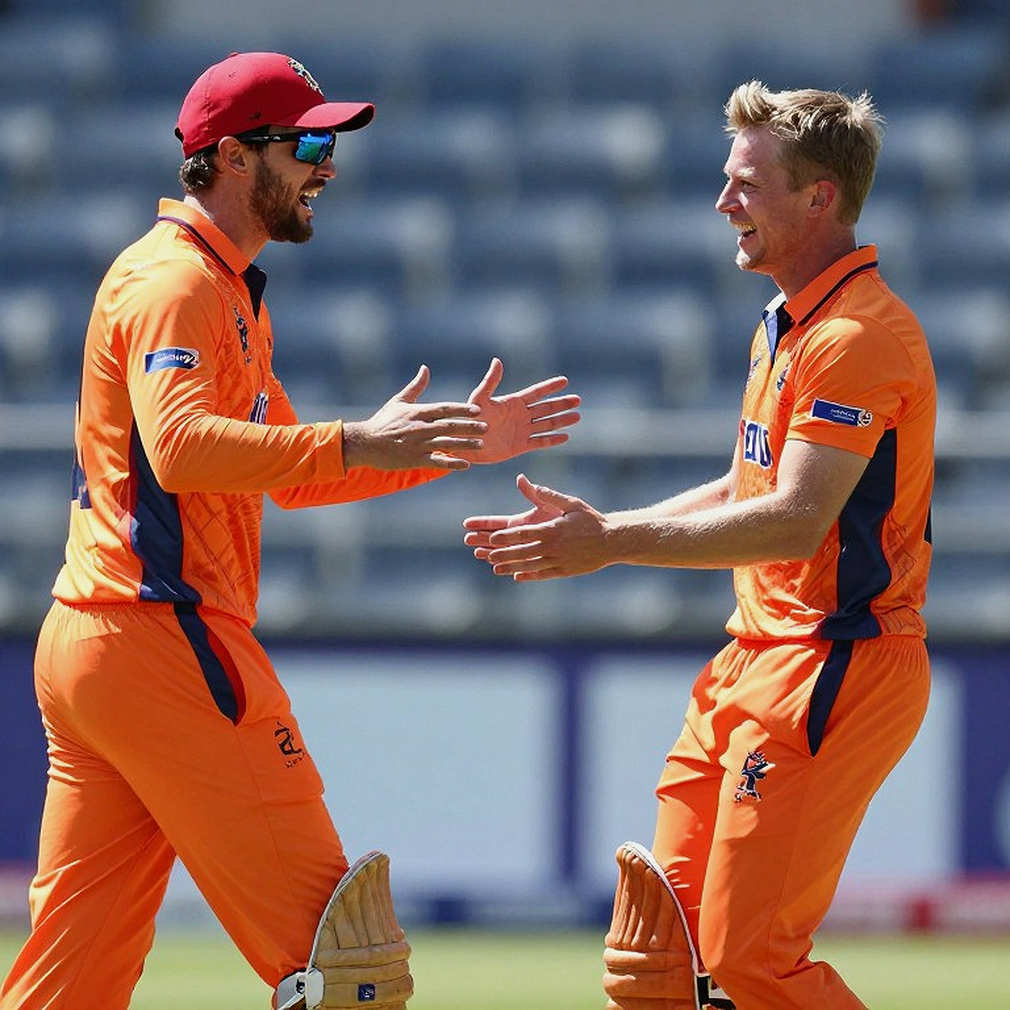
Smith and Warner were banned for 12 months each, while Bancroft received a nine-month suspension. It was an extraordinary disciplinary response for Australian cricket. Removing the captain and vice-captain was more than a punishment; it was a direct indictment of the leadership structure at the time.
Khawaja's book adds another layer to the historical account. He claims that discussions about using sandpaper had already taken place during the second Test at St George's Park in Port Elizabeth. According to his account, conversations about sandpaper occurred in the dressing room and players subsequently observed the effects of altering the ball's condition. Khawaja also says he was sitting near Bancroft in Cape Town and witnessed important conversations and events.
An important distinction must be maintained here. Khawaja's personal observations, his interpretation of those events and his conclusions about what other players knew are three separate matters. Hearing a conversation is not necessarily the same as actively participating in a plan. His autobiography should therefore be treated as a new account that may warrant examination, rather than as a substitute for an investigation.
The Central Investigative Question: Why Was Khawaja Not Interviewed?
One detail deserves particular attention. Khawaja claims that Cricket Australia did not interview him during its 2026 investigation. He says he was sitting next to Bancroft and witnessed parts of the sequence of events. Warner has also described the original investigation as rushed and flawed.
If Khawaja's claim is accurate, serious questions arise about the investigative process. Reaching a final conclusion without interviewing all potentially relevant witnesses creates institutional risks. That does not automatically invalidate every finding from the original investigation. It means that the scope of the inquiry and the adequacy of its evidence-gathering deserve scrutiny.
The quality of an investigation should be assessed by how fairly it examines relevant witnesses and available information, not simply by the punishment it ultimately produces.
Cricket Australia chief executive Todd Greenberg made clear in November 2026 that the board did not intend to launch another investigation. He said Khawaja's account contradicted versions provided by other players and that the organisation remained comfortable with its previous findings. Cricket Australia also maintained that relevant information presented to it had been considered.
The position is understandable from an administrative perspective. Repeatedly reopening the same incident can undermine institutional stability. However, when a potential witness says he was excluded from the original inquiry, relying exclusively on the old conclusions is not a sufficient public response. At the very least, the board could explain whom investigators interviewed and how the scope of the original inquiry was determined.
Collective Responsibility and Individual Guilt Are Different
Khawaja's central argument is that responsibility for Cape Town should not be confined to the three suspended players. He believes the entire team should acknowledge its role. Warner has supported that position, describing Khawaja's account as completely accurate.
Starc, by contrast, has maintained that the bowling group had no knowledge that an external substance was being used on the ball. He referred to the statement released in 2026 alongside Pat Cummins, Josh Hazlewood and Nathan Lyon, in which the bowlers denied prior knowledge of the ball-tampering plan. Former coach Darren Lehmann has also rejected the suggestion that every member of the Australian camp knew about the scheme.
This disagreement is the central difficulty. One group is demanding collective accountability, while another maintains that its members had no knowledge of the plan. The absence of detailed public responses from Smith and Bancroft to Khawaja's latest claims also remains significant.
The episode exposes a basic weakness in cricket administration. Collective responsibility can be a moral principle, but determining individual culpability requires evidence and a fair process. A player who knew about a plan and failed to act must be assessed differently from one who had no knowledge of it.
The hardbound register never lies: check the margins before you trust the formation. That principle applies beyond tactical analysis. In an accountability dispute, the chronology of events, players' positions, timing of conversations and available documents matter more than sweeping accusations.
Eight Years of Silence and the Book's Publication
The timing of Khawaja's revelations has also attracted scrutiny. The incident occurred in 2026, while the detailed account appeared in his autobiography in November 2026. The book's publication was accompanied by media interviews, prompting critics to question whether the revelations were connected to its commercial promotion.
Khawaja has rejected that suggestion. He says that when he signed the book deal in 2026, there was no specific plan to write about Sandpapergate. According to him, the publisher learned about the chapter much later. He has also said Smith discouraged him from speaking publicly earlier and that he wanted to prioritise the interests of the team while he remained an active player.
That explanation deserves consideration, but it does not eliminate questions about timing. An eight-year delay naturally creates a credibility question for any witness. Memories can change, conversations can lose context and old disagreements can acquire new meanings. On the other hand, the professional and social cost of speaking while remaining part of a team can be considerable.
In my years of watching cricket, one recurring lesson has been that silence inside a dressing room does not always indicate agreement. It can reflect discipline, career concerns or an attempt to protect relationships. But silence cannot subsequently be treated as proof that everyone was guilty. Every allegation must be independently examined.
The auction gave the blog a home team, but the ledger gave it a spine. In this case, public discussion must move beyond a player's popularity or the commercial value of a book and return to documentary evidence. Commercial interests do not automatically make an account false, just as a player's reputation does not automatically make a statement true.
Cricket Australia's Real Challenge
The greatest damage is that Australian cricket still lacks agreement about the events eight years later. Khawaja and Warner are calling for collective accountability. Starc and other bowlers maintain a different position. Lehmann has also declined to endorse the claim that everyone knew. Meanwhile, Cricket Australia has ruled out a new investigation.
The board appears to have two options. It can treat its original findings as final and attempt to move on. Alternatively, without presuming that any individual is guilty, it can conduct a limited examination of the original investigation's process and any potentially overlooked evidence. The second option is more difficult, but it may be more useful in rebuilding public confidence.

Every transfer rumor should be filed, dated, and cross-checked against the old columns. The same discipline should apply to cricket administration. New claims must be examined against statements, eyewitness accounts, official records and responses from other parties. Treating an autobiography as a final verdict would be as mistaken as placing an old administrative conclusion beyond scrutiny.
What Comes Next?
The next stage of Sandpapergate will depend less on another allegation than on the emergence of verifiable evidence. Will contemporaneous messages, documents or independent witnesses support Khawaja's account? Will Smith and Bancroft clarify their positions? Will Cricket Australia publish further information about the original investigation?
The answers will determine whether the 2026 incident remains an old disciplinary case or becomes a lasting example of the challenges of accountability in Australian cricket administration. The real test is not who speaks first, but who can support their claims with evidence that can be independently examined. Cricket Australia must now decide whether its reputation will be protected by repeating its old conclusions or by subjecting those conclusions to transparent scrutiny.